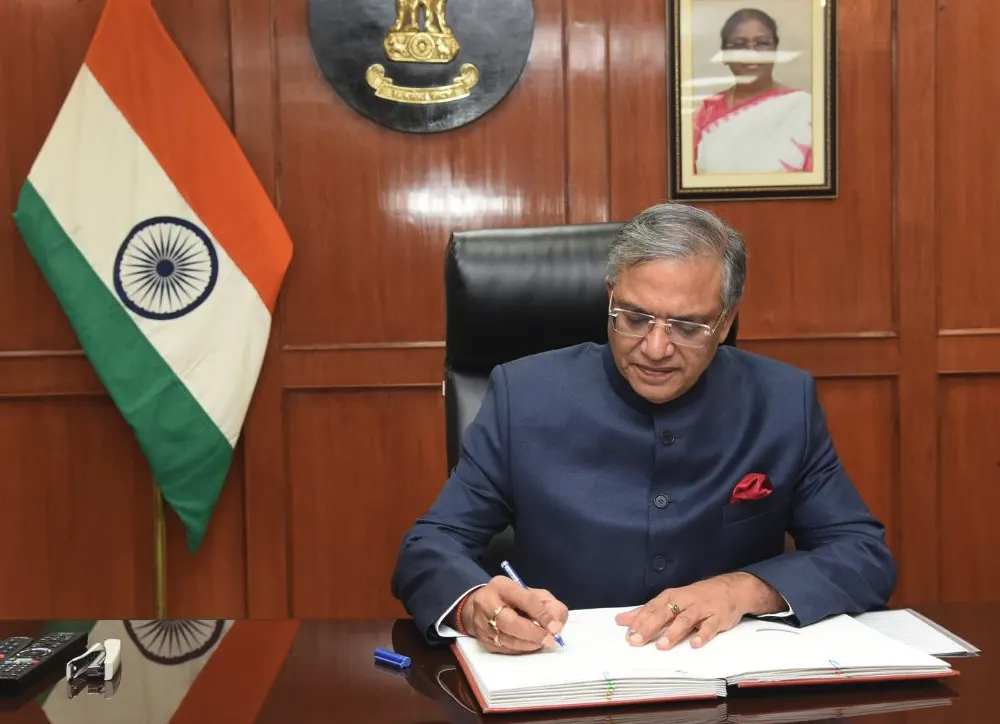
Gyanesh Kumar, born Gyanesh Kumar Gupta, is a retired Indian Administrative Service (IAS) officer of the 1988 Kerala cadre and currently the 26th Chief Election Commissioner (CEC) of India. He took office on February 18, 2025, after the retirement of Rajiv Kumar. Born on January 27, 1964, in Agra, Uttar Pradesh, he is 61 years old in 2025.
A graduate of IIT Kanpur, with further studies at Harvard University and ICFAI, Kumar is widely respected for his administrative expertise. He is best known for his key role in the abrogation of Article 370 in Jammu and Kashmir (2019) and the formation of the Shri Ram Janmabhoomi Teerth Kshetra Trust (2020).
As Chief Election Commissioner, he is overseeing crucial elections, including the Bihar Assembly polls in 2025 and the Tamil Nadu, West Bengal, and Kerala elections in 2026. Popularly called the “Kahwa Man” for offering Kashmiri tea during official meetings, he is admired as a disciplined, approachable, and impactful leader.
Table of Contents
Gyanesh Kumar Wiki/Bio
| Full Name | Gyanesh Kumar Gupta |
| Date of Birth | January 27, 1964 |
| Age | 62 Years |
| Profession | Retired IAS Officer, Chief Election Commissioner |
| Hometown | Midhakur, Agra, Uttar Pradesh, India |
| Current Residence | Delhi, India |
| Nationality | Indian |
Physical Details
| Height | 5’8” (1.72 m) |
| Weight | 80 kg (176 lbs, approx.) |
| Eye Color | Black |
| Hair Color | Salt and Pepper |
Gyanesh Kumar Early Life
Gyanesh Kumar was born on January 27, 1964, in Midhakur, Agra, into a middle-class Hindu family. His father, Dr. Subodh Kumar Gupta, was a retired Chief Medical Officer, while his mother, Satyawati Gupta, is a yoga teacher at Patanjali Yogpeeth.
He completed his early schooling at Queen’s College, Varanasi (up to Class 10) and Colvin Taluqdars’ College, Lucknow (up to Class 12). Inspired by his grandfather, who was a freedom fighter, Kumar developed a strong interest in public service from a young age.
After working briefly at HUDCO, he decided to prepare for the Civil Services Examination. He cleared it in his first attempt and joined the IAS in 1988, Kerala cadre.
Education
| School | Queen’s College, Varanasi; Colvin Taluqdars’ College, Lucknow |
| University | IIT Kanpur; Harvard University; ICFAI |
| Qualification | B.Tech (Civil Engineering); Postgraduate in Economics; Certificate in Business Finance |
Kumar earned a B.Tech in Civil Engineering from IIT Kanpur. He later pursued advanced studies, completing a postgraduate degree in Economics from Harvard University and a certificate course in Business Finance from ICFAI. His academic background gave him a strong mix of technical and policy expertise, which helped in his administrative career.
Family Details
| Parents | Father: Dr. Subodh Kumar Gupta (deceased); Mother: Satyawati Gupta |
| Siblings | Brother: Manish Kumar (IRS officer); Sister: Roli Jain (PhD holder) |
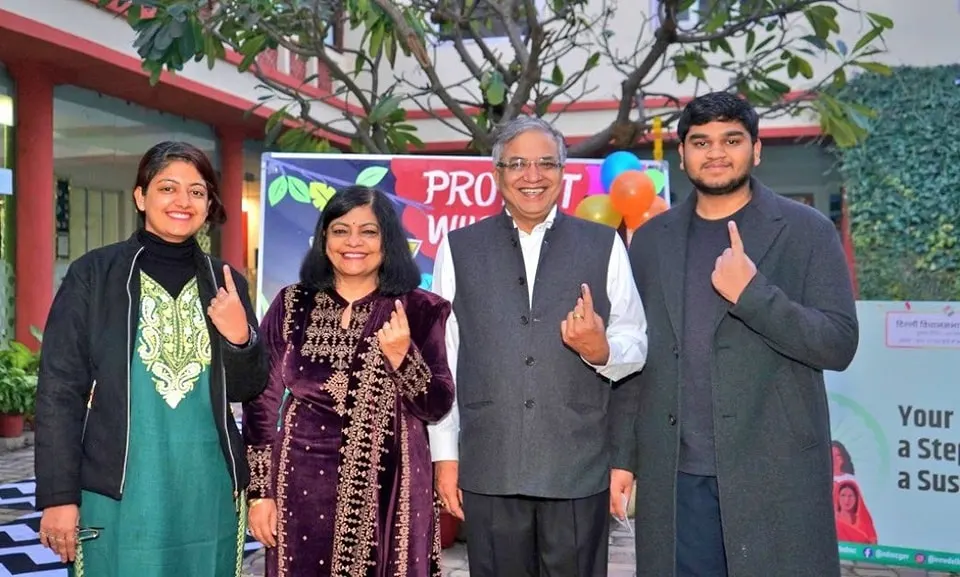
| Relationship Status | Married to Anuradha Kumar |
| Children | Son: Arnav Kumar; Daughters: Medha Rupam (IAS officer), Abhisree (IRS officer) |
Career Highlights
| Year | Achievement |
| 1988 | Joined IAS, posted as District Magistrate in Trivandrum |
| 2014 | Oversaw evacuation of 183 Indians from Iraq as Kerala Resident Commissioner |
| 2019 | Played key role in abrogation of Article 370, Ministry of Home Affairs |
| 2020 | Helped form Shri Ram Janmabhoomi Teerth Kshetra Trust |
| 2023 | Launched CRCS-Sahara refund portal as Cooperation Secretary |
| 2025 | Appointed as 26th Chief Election Commissioner of India |
Kumar’s administrative career is marked by some of the biggest policy decisions in India’s recent history.
- As Resident Commissioner of Kerala (2014), he led the safe evacuation of 183 Indians, including 46 Malayali nurses, from Iraq during ISIS violence.
- As Additional Secretary, Ministry of Home Affairs (2015–2019), he played a central role in the abrogation of Article 370 in Jammu and Kashmir.
- In 2020, he helped establish the Shri Ram Janmabhoomi Teerth Kshetra Trust, which manages the construction of the Ram Mandir in Ayodhya.
- As Secretary in the Ministry of Cooperation (2022–2024), he introduced the CRCS-Sahara refund portal and founded three cooperative bodies — BBSSL, NCOL, and NCEL.
In February 2025, he was appointed as the Chief Election Commissioner of India, responsible for conducting elections in Bihar (2025) and major state elections in 2026. His tenure runs until January 26, 2029.
Controversies
- CEC Appointment Criticism (2025): His appointment as CEC was challenged in the Supreme Court. Opposition leaders also raised concerns about his closeness to Home Minister Amit Shah, calling him his “right-hand man.” Kumar has maintained that he functions with neutrality.
- Article 370 Role (2019): His involvement in the abrogation of Article 370 received mixed responses. Supporters praised his role in implementing the decision efficiently, while critics opposed the move for its political and social consequences.
Also Read this: