Bagi Munda is a rising star in Indian hip-hop, known for his raw, unfiltered lyrics that reflect his tough upbringing in Chandigarh’s Nayagaon area. His music stands out for its cinematic storytelling, inspired by films like Agneepath (1990), Scarface (1983), and The Godfather (1972). With projects like Betaaj Badshah (2023), Hood Fame (2024), and Player NO. 1 (2024), Bagi Munda has become a voice for underprivileged youth, blending gritty street experiences with emotional depth. His high-energy live performances and authentic style have earned him a growing fanbase, especially in cities like Delhi.
Table of Contents
Bagi Munda Wiki/Bio
| Full Name | Bagi Munda |
| Profession | Rapper, Singer, Songwriter |
| Hometown | Chandigarh, India (Nayagaon) |
| Current Residence | Chandigarh, India |
| Religion | Not specified |
| Nationality | Indian |
| Instagram ID | @bagimunda_ |
Early Life
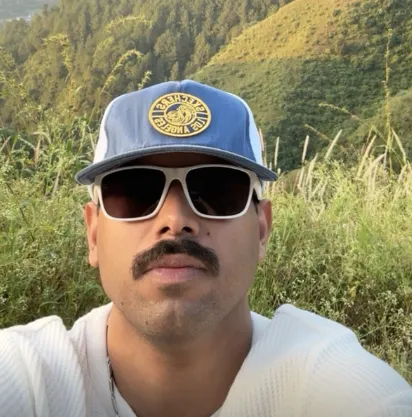
Bagi Munda was born into a lower-middle-class family in Chandigarh, specifically in Nayagaon, a less affluent area compared to the city’s polished core. His childhood was marked by financial struggles, with his parents separating when he was around 15, leaving him primarily with his mother, who faced her own challenges.
Dropping out of school after 10th grade due to financial constraints, he started working odd jobs at a young age, including retail clothing stores, gyms, and hotels like the Taj. These experiences taught him the dignity of labor and shaped his resilient, independent nature. He often worked grueling shifts, sometimes sleeping in hotel storage areas, and relied on tips to support his family.
Bagi Munda’s early exposure to world cinema, brought home by his father, sparked his love for storytelling. Films like Agneepath (1990), Scarface (1983), and The Godfather (1972) inspired his anti-hero persona, while his time in cyber cafes listening to music and watching videos shaped his musical influences. Despite facing homelessness for two years in Chandigarh, he credits supportive individuals like Siddharth Chaudhary and Saleem for helping him through tough times.

Education
Bagi Munda did not pursue formal education beyond 10th grade due to financial hardships. Lacking even a 10th-grade certificate, he relied on self-taught skills and life experiences to fuel his music career. His education came from observing the world, working diverse jobs, and immersing himself in cinema and music, which became the foundation for his storytelling and rap style.
Family Details
Bagi Munda shares a deep bond with his mother, whom he considers his biggest supporter and to whom he gives his earnings, from early job tips to music income. His parents’ separation at 15 left him without a father figure or mentor, shaping his self-reliant mindset. He learned from his father what not to do, using those lessons to aspire to be a better person and future father. Bagi Munda keeps his family life private but often mentions his mother’s influence in his music, reflecting his gratitude and grounded nature.
Career Highlights
Bagi Munda’s journey to music began after years of manual labor, from cleaning hotel bathrooms to waitering at the Taj Hotel. Inspired by cinematic anti-heroes and artists like Bohemia, he started rapping to tell stories of his “underpass” life in Chandigarh.
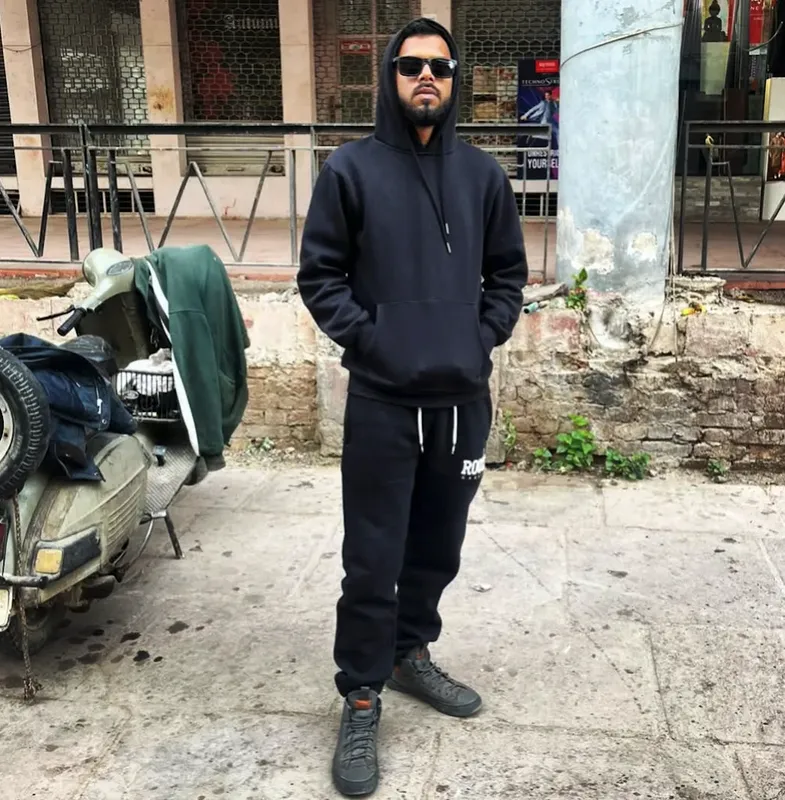
His breakthrough came with the EP Betaaj Badshah (2023), heavily influenced by Agneepath (1990), blending personal struggles with dramatic narratives. Tracks like God is Dead (2024), inspired by Nietzsche’s philosophy and Kafka’s The Trial (1925), explore existential themes, while Hood Fame (2024) captures the raw emotions of street life.
Best Work
| Song/Album | Year | Details |
| Betaaj Badshah | 2023 | EP inspired by Agneepath (1990), reflecting personal struggles and cinematic storytelling |
| God is Dead | 2024 | Track exploring existential themes, inspired by Nietzsche’s philosophy and Kafka’s The Trial (1925) |
| Hood Fame | 2024 | Track reflecting raw, real-life emotions of hood life |
| Player NO. 1 | 2024 | 5-track EP featuring Arpit Bala, Bhappa, Boyblanck, and Jaskaran, showcasing commercial sonics |
| Sanju and Sallu | 2024 | High-energy track produced with his crew, popular in live performances |
Controversies
Bagi Munda’s music often tackles gritty themes, like his experiences with poverty and taboo topics, which some find controversial. For instance, God is Dead (2024) sparked reactions due to its raw lyrics about personal experiences, but he defends his honesty, believing it resonates with fans who share similar struggles. No major public controversies have been reported, and he focuses on authenticity over sensationalism.

FAQs About Bagi Munda
What is Bagi Munda known for?
Bagi Munda is known for his raw, cinematic hip-hop music that reflects his underprivileged background and struggles, with EPs like Betaaj Badshah (2023) and Player NO. 1 (2024).
Where is Bagi Munda from?
He’s from Chandigarh, India, specifically Nayagaon, a less affluent area.
Has Bagi Munda won any awards?
No awards are mentioned in available sources, but his music has gained critical acclaim and fan support.
What are Bagi Munda’s future plans?
He aims to create more cinematic music, expand globally, and collaborate with talented artists while staying true to his roots.
Recent Updates
- Player NO. 1 EP Release: Bagi Munda dropped his Player NO. 1 EP on January 12, 2024, a 21-minute project with 5 tracks featuring Arpit Bala, Bhappa, Boyblanck, and Jaskaran, produced by Dox and fatboi racoon (The Indian Music Diaries).
- Delhi Live Shows: He’s been performing high-energy shows in Delhi, earning love from fans who connect with his authentic Punjabi hip-hop style and cinematic storytelling.
- Growing Influence: Bagi Munda’s music, especially tracks like Sanju and Sallu (2024), has gained traction, with fans recognizing his unique contribution to Indian hip-hop.