
Hotep Jesus, real name Bryan Sharpe, is a controversial American media personality, author, and performance artist known for his bold takes on Black history, politics, and culture. he’s gained a following for his viral social media presence and fringe theories — from denying the Atlantic slave trade to claiming that many African Americans are original Native Americans. As the founder of Hotep Nation, he combines Afrocentrism with modern-day conspiracy culture, sparking heated debates on podcasts, social media, and mainstream media alike.
Hotep Jesus Wiki/Bio
| Full Name | Bryan Sharpe |
| Date of Birth | October 1, 1980 |
| Age | 45 Years |
| Profession | Media Personality, Author, Marketer, Performance Artist |
| Hometown | Brooklyn, New York City, USA |
| Current Residence | New Jersey, USA |
| Religion | Christian |
| Nationality | American (African American) |
| Zodiac Sign | Libra |
Physical Details
| Height | 5’8” (173 cm) |
| Weight | Approx. 72 kg (158 lbs) |
| Hair Color | Black |
Early Life
Hotep Jesus, born Bryan Sharpe on October 1, 1980, grew up in Brooklyn, New York. His father worked at a local factory while his mother managed the home. Bryan learned early about hustle, discipline, and resilience — qualities that later shaped his outspoken personality and entrepreneurial mindset. Growing up in an environment where he witnessed both struggle and creativity, he developed a deep curiosity for history, identity, and how media influences cultural thought.
Education
Details about his formal education are limited, but Hotep Jesus completed high school in Brooklyn before exploring self-taught ventures in marketing and digital culture. He often credits social media, online forums, and trial-and-error business experience as his real education — learning from the digital grind rather than academic classrooms.
Family Details
Hotep Jesus keeps his family life very private. He occasionally mentions his parents as his biggest influence but avoids revealing names or personal details. As of 2025, he remains unmarried and has not publicly shared any details about children or romantic relationships. His focus remains on his work, writing, and building the Hotep Nation platform.
Career Highlights
Hotep Jesus first gained fame on Twitter around 2011 after his viral tweets caught the attention of music executive Chris Lighty, leading to a marketing role promoting 50 Cent’s energy drink. From there, he worked with several celebrities, including Carmelo Anthony, helping launch a coconut water brand.
He went on to found three tech startups, publish a marketing guide titled Twitter Marketing: How to Build a Cult-Like Following, and establish Hotep Nation in 2013 — a platform promoting self-reliance, entrepreneurship, and Black empowerment.
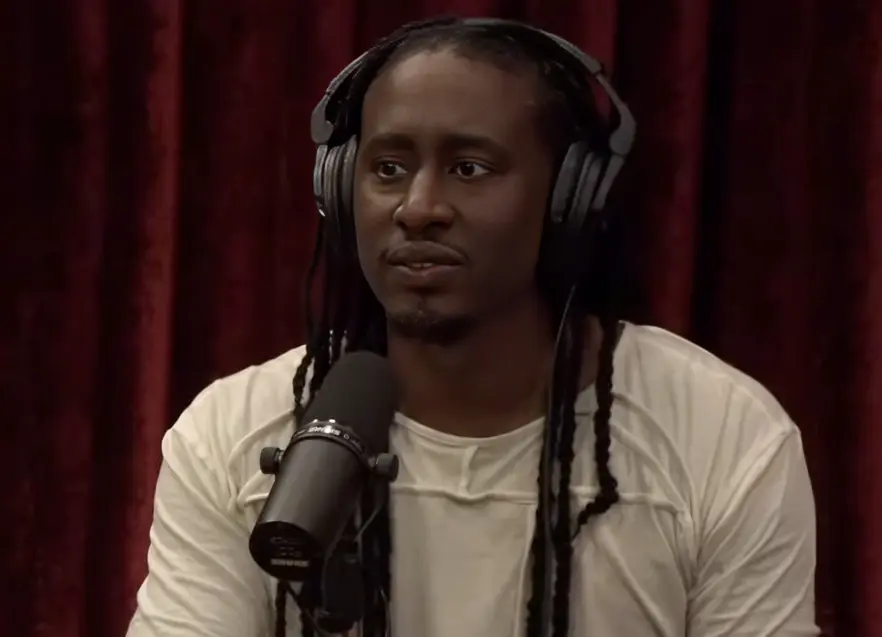
He’s best known for co-hosting the long-running podcast “Hoteps BEEN Told You”, which blends humor, social commentary, and political debate. His 2019 Joe Rogan Experience appearance brought him national attention — and controversy — for his unconventional historical views.
Career Milestones
| Year | Milestone | Details |
| 2011 | Twitter Breakthrough | Viral tweets attracted Chris Lighty |
| 2011 | 50 Cent Project | Marketing for 50 Cent’s energy drink |
| 2013 | Hotep Nation Launch | Created Afrocentric movement and blog network |
| 2019 | Joe Rogan Podcast | Gained national attention, episode #1292 |
| 2020 | Book Recognition | Twitter Marketing gained cult audience |
| 2021–2025 | Podcast Expansion | Hoteps BEEN Told You grew global reach |
| 2025 | Startup Tease | Announced AI platform for Black-owned businesses |
Controversies
Hotep Jesus is one of the most divisive voices online. During his Joe Rogan appearance, he denied the Atlantic slave trade, argued that Hannibal was Black, and claimed African Americans are largely Native descendants — sparking viral backlash and heated debates.
He’s also been criticized for anti-feminist and anti-LGBTQ remarks and for spreading conspiracy theories about ancestry websites. Still, he maintains his stance, arguing that “mainstream narratives” mislead Black Americans.
In 2025, his old Rogan clips resurfaced, reigniting online criticism, though his base continued to defend him as an independent thinker.